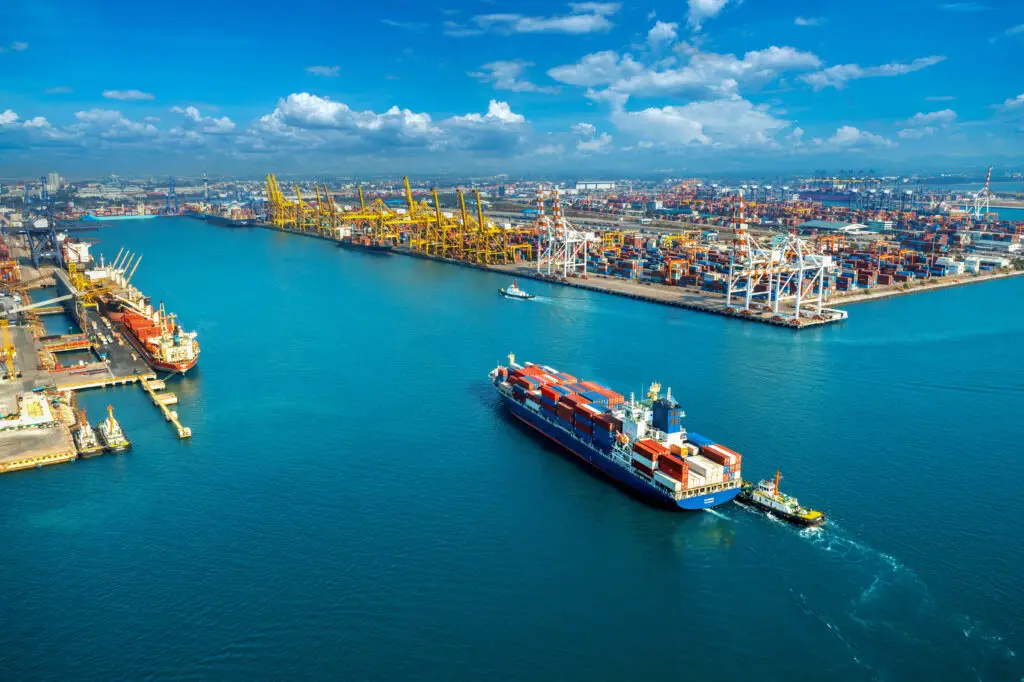
For businesses in Singapore, the free flow of goods isn’t just a goal—it’s the lifeblood of the economy. However, the last few years have served as a harsh wake-up call. From the Suez Canal blockage to semiconductor shortages and ongoing geopolitical tensions, the once-predictable rhythm of the global supply chain has been shattered. These disruptions aren’t one-off events; they are the new normal.
For Small and Medium-sized Enterprises (SMEs), the impact is magnified. Lacking the massive buffer stock and negotiating power of larger corporations, a single delayed shipment or unexpected price surge can have devastating consequences on production, customer satisfaction, and cash flow. Reacting to crises as they happen is no longer a viable strategy. The only way forward is to build a proactive, intelligent, and agile supply chain.
This is where supply chain resilience comes in. It’s the ability to anticipate, withstand, and recover from disruptions. And for modern businesses, the most powerful tool to achieve this is an integrated ERP system like
Microsoft Dynamics 365. This article will explore the practical steps you can take to move from a fragile supply chain to a resilient one.
The Old Model is Broken: Common SME Supply Chain Vulnerabilities
Many SMEs unknowingly operate with fragile supply chains built on outdated processes and fragmented data. Do any of these challenges sound familiar?
1. Zero Visibility Beyond Tier-1 Suppliers
You know when your direct supplier ships your order, but what about their suppliers? A disruption further up the chain—a fire at a raw material factory, for instance—can bring your production to a halt with no warning. Most SMEs lack the visibility to see these risks until it’s too late.
2. Over-Reliance on Manual Forecasting
Using historical sales data in spreadsheets to predict future demand is like driving while looking only in the rearview mirror. This method fails to account for real-time market shifts, emerging trends, or external factors, leading to stockouts of popular items and overstocking of others.
3. Disconnected Systems and Data Silos
When your inventory, sales, and purchasing data are stored in separate, non-communicating systems (like an accounting software, multiple spreadsheets, and email), you can never get a single, accurate view of your operations. This makes it impossible to make quick, informed decisions when a disruption occurs.
4. Inefficient Inventory Management
Carrying too much “just-in-case” inventory ties up valuable cash and increases warehousing costs. Carrying too little “just-in-time” stock leaves you completely exposed to the slightest delay. Without intelligent tools, finding the optimal balance is a constant, high-stakes guessing game.
Building a Modern Fortress: How Dynamics 365 Creates Supply Chain Resilience
Microsoft Dynamics 365 for Supply Chain Management is designed to address these vulnerabilities head-on. It transforms your supply chain from a reactive cost center into a proactive, strategic asset. Here’s how:
1. Achieve End-to-End Visibility
Dynamics 365 breaks down data silos by integrating every aspect of your supply chain, from procurement and manufacturing to warehousing and logistics, into a single platform.
- Real-time Dashboards: Gain a 360-degree view of your entire operation. Track the status of purchase orders, monitor production progress, and see inventory levels across all locations in real-time.
- Supplier Portals: Collaborate directly with your suppliers through dedicated portals. This allows for better communication, real-time status updates on orders, and improved transparency, helping you spot potential delays before they become critical. This visibility is a cornerstone of supply chain resilience.
2. Move from Guesswork to Predictive Analytics
Stop reacting and start anticipating. Dynamics 365 uses the power of AI and machine learning to turn your data into actionable intelligence.
- AI-Powered Demand Forecasting: The system analyzes not just historical sales data but also market trends, seasonality, and external signals to generate highly accurate demand forecasts. This allows you to optimize inventory levels, ensuring you have the right products available at the right time.
- Proactive Disruption Alerts: Dynamics 365 can monitor your supply chain for potential risks. For example, it can alert you if a shipment from a key supplier is delayed or if a critical component is running low, giving you precious time to activate a contingency plan.
3. Master Your Inventory with Intelligent Automation
Optimizing inventory is key to supply chain resilience. Dynamics 365 provides the tools to manage it with precision, ensuring business continuity without tying up unnecessary capital.
- Automated Replenishment: Set automated rules to reorder stock when it hits a certain level, ensuring you never run out of critical items. The system can even suggest optimal order quantities based on forecasts and lead times.
- Warehouse Management System (WMS): For businesses with complex warehousing needs, the WMS module optimizes everything from receiving and put-away to picking and shipping. It increases accuracy, speeds up fulfillment, and provides a real-time view of every item in your warehouse.
4. Diversify and Strengthen Your Supplier Network
Relying on a single supplier for a critical component is a major risk. Dynamics 365 helps you build a more robust and flexible supplier base.
- Supplier Performance Scorecards: Track and evaluate your suppliers based on key metrics like on-time delivery, quality, and pricing. This data-driven approach allows you to identify your strongest partners and flag underperforming ones.
- Sourcing and Onboarding: Easily identify, qualify, and onboard new suppliers within the system. This makes it easier to diversify your sourcing strategy and quickly pivot to an alternative supplier if your primary one faces a disruption.
Your Next Step: From Surviving to Thriving
In the dynamic markets of Singapore and Southeast Asia, supply chain resilience is no longer a competitive advantage—it’s a baseline requirement for long-term success. Waiting for the next crisis is not an option. By leveraging a powerful, integrated solution like Microsoft Dynamics 365, you can transform your supply chain from a source of vulnerability into a powerful engine for growth and stability.
The tools to build a predictive, agile, and robust supply chain are within reach. It’s time to invest in the visibility and intelligence that will allow your business to not just survive disruptions, but thrive in spite of them.
Don’t wait for the next disruption to test your limits. Contact us today to learn how Dynamics 365 can build resilience into the core of your operations.

 Malaysia
 Malaysia
 Singapore